
 admin
admin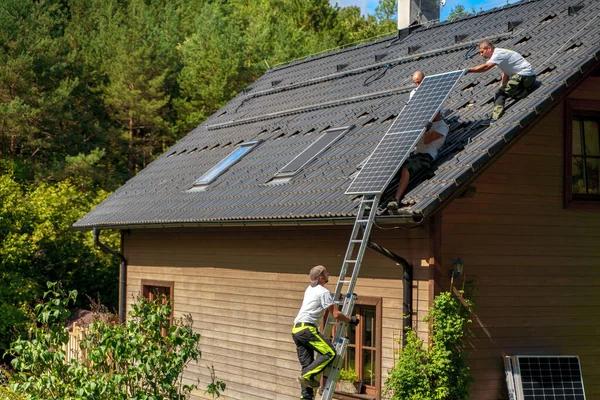
In Los Angeles, where solar energy adoption continues to grow rapidly, several major providers compete by offering a variety of services tailored to meet diverse customer needs. Comparing these companies reveals differences in installation processes, financing options, system customization, and ongoing support. Leading solar firms typically begin with a comprehensive site evaluation, assessing roof orientation, shading issues, and energy consumption patterns. This initial step ensures that the proposed solar solution aligns closely with the homeowner’s or business’s specific requirements.
One key aspect distinguishing providers is their approach to system design and technology selection. Some companies prioritize high-efficiency panels from premium manufacturers, focusing on maximizing power output even in limited spaces or less-than-ideal conditions. Others emphasize cost-effectiveness by offering more affordable panel options alongside flexible configurations that accommodate various budgets without compromising quality significantly. Additionally, inverter choices vary; certain providers integrate advanced microinverters or power optimizers for enhanced performance monitoring and reliability.
Financing plays a crucial role in making solar accessible to a broader audience across Los Angeles. Major companies offer multiple payment methods including outright purchase, loans with competitive interest rates, leases, and power purchase agreements (PPAs). While buying systems upfront often yields the greatest long-term savings through tax credits and incentives like the federal Investment Tax Credit (ITC), leasing models appeal to customers seeking minimal upfront costs and maintenance responsibilities. Some providers also assist clients in navigating local rebates available through programs such as California Solar Initiative (CSI) or utility-specific incentives.
Installation timelines differ among leading firms depending on workforce capacity and permitting expertise. Established companies tend to streamline this process by leveraging experienced crews familiar with city regulations and inspection procedures unique to Los Angeles County. This familiarity often results in faster project completion compared to newer entrants who might face delays due to permit complexities or resource limitations.
Post-installation service quality is another area where providers distinguish themselves. Comprehensive warranties covering both equipment performance and workmanship are standard among top-tier companies but may vary in length from 10 years up to 25 years for panels specifically. Customer support channels range from dedicated account managers providing personalized assistance throughout system life cycles to automated monitoring platforms enabling real-time tracking of energy production via mobile apps.
Finally, some major solar companies extend their offerings beyond traditional photovoltaic installations by integrating battery storage solutions that enhance energy independence during outages or peak demand periods common in Southern California’s grid environment. The ability to combine solar generation with home energy management systems positions certain providers as one-stop shops for sustainable living improvements.
Choosing the right solar company los angeles involves evaluating these service dimensions carefully against individual priorities such as budget constraints, desired technology features, financing preferences, installation speed expectations, warranty assurances, and future scalability options like battery storage integration. By understanding how each provider structures its offerings within these categories helps consumers make informed decisions aligned with their long-term clean energy goals while benefiting from local market advantages specific to this vibrant region of California’s renewable landscape.