 admin
admin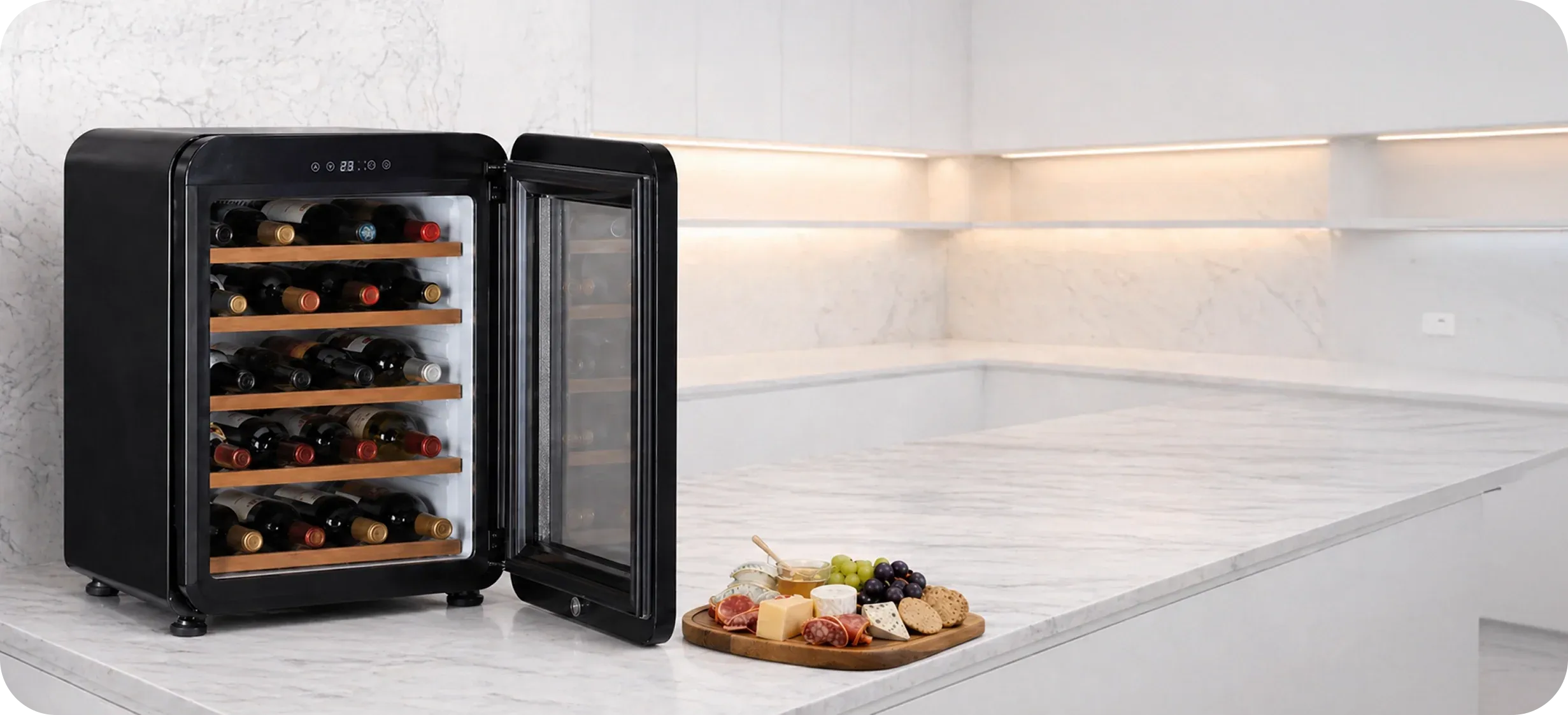
Choosing the right wine cooler can significantly enhance the experience of storing and enjoying wine, whether you are a beginner or a seasoned enthusiast. Wine coolers, also known as wine refrigerators or wine chillers, are designed to maintain an ideal temperature and humidity level for preserving the quality and flavor of your wines. Unlike regular refrigerators, which tend to be too cold and dry for wines, dedicated wine coolers provide controlled environments tailored specifically for different types of wines.
For beginners, understanding the basic functions of a wine cooler is essential before making a purchase. A typical unit offers adjustable temperature settings that allow you to store red and white wines at their optimal temperatures. Red wines generally benefit from slightly warmer storage between 55°F to 65°F (13°C to 18°C), while white wines require cooler conditions around 45°F to 55°F (7°C to 13°C). Some advanced models feature dual zones that enable simultaneous storage of both red and white bottles under ideal conditions within one appliance.
Capacity is another important factor when selecting a Wine Cooler. Smaller units with space for about six to twelve bottles suit casual drinkers or those just beginning their collection. Larger models holding fifty or more bottles cater well to avid collectors who need ample room for various vintages and labels. Consider where you plan to place the cooler as well; compact designs fit conveniently in kitchens or living rooms without occupying excessive space, while built-in options integrate seamlessly into cabinetry.
The type of cooling system used in these appliances affects performance and noise levels. Thermoelectric coolers operate quietly but might struggle in very warm environments since they rely on ambient air circulation rather than compressors found in traditional refrigeration systems. Compressor-based units are more powerful at maintaining consistent temperatures even during hot weather but can produce noticeable noise similar to household refrigerators.
Humidity control is often overlooked but plays a crucial role in preserving cork integrity by preventing them from drying out or molding over time. Many quality wine coolers include features like humidifiers or moisture retention systems that keep humidity levels between forty-five percent and seventy percent-ideal ranges for long-term storage.
Lighting inside the cooler should also be considered because ultraviolet rays can degrade delicate flavors in wine over time. LED lights emit minimal heat compared with incandescent bulbs, making them preferable choices for interior illumination without compromising bottle contents.
In summary, investing in a suitable wine cooler enhances not only preservation but also enjoyment by keeping your collection ready at perfect serving temperatures whenever desired. Understanding capacity needs, temperature zones, cooling methods, humidity management, and lighting options will help both novices and experienced connoisseurs select an appliance that complements their lifestyle while safeguarding valuable bottles efficiently over time.