 admin
admin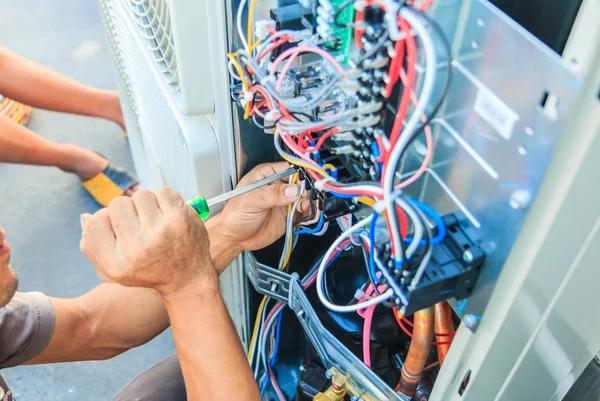
In recent years, the demand for energy-efficient home solutions has surged as homeowners seek to reduce their carbon footprint and lower utility bills. Among various innovations, modern mini split air conditioning systems have emerged as a popular choice for those looking to enhance indoor comfort while maintaining energy efficiency. These systems offer a versatile and cost-effective alternative to traditional HVAC units, providing tailored climate control without the need for extensive ductwork.
Mini split AC systems consist of an outdoor compressor unit connected to one or more indoor air-handling units by refrigerant lines. This design allows for flexibility in installation and zoning capabilities that are not possible with conventional central air systems. Homeowners can install multiple indoor units in different rooms, each with its own thermostat, enabling precise temperature control based on individual preferences. This zoned cooling reduces energy waste by allowing users to cool only occupied areas rather than an entire house.
Energy efficiency is at the core of mini split systems’ appeal. Traditional AC units often suffer from significant energy losses due to duct leaks and thermal inefficiencies associated with large-scale distribution networks. In contrast, mini splits eliminate these issues by delivering conditioned air directly into living spaces without relying on ducts. Moreover, many modern mini splits utilize advanced inverter technology that adjusts the compressor speed according to cooling demand rather than cycling on and off at full capacity like conventional models. This results in substantial energy savings and more consistent indoor temperatures.
The installation process of mini split systems is relatively straightforward compared to traditional setups but still requires professional expertise to ensure optimal performance and longevity. Proper placement of both outdoor and indoor components is crucial; the outdoor unit should be positioned where it can efficiently dissipate heat without obstructions, while indoor units must be strategically located for even airflow distribution within rooms.
Additionally, selecting the right system size is vital for maximizing efficiency—undersized units may struggle to maintain desired temperatures during peak conditions while oversized ones could lead to short cycling Essential Heating and Air ac repair-tear.
For homeowners committed to sustainable living practices, integrating smart controls into their mini split installations offers further enhancements in efficiency management. Many contemporary models support Wi-Fi connectivity or compatibility with home automation platforms like Google Home or Amazon Alexa, facilitating remote operation through smartphones or voice commands.
This capability not only adds convenience but also empowers users with detailed insights into usage patterns so they can make informed decisions about optimizing settings according to lifestyle needs.
In conclusion, modern mini split AC installation solutions provide an excellent pathway toward achieving greater energy efficiency in homes today—combining flexible design options with cutting-edge technologies aimed at reducing environmental impact while ensuring superior comfort levels year-round.