
 admin
admin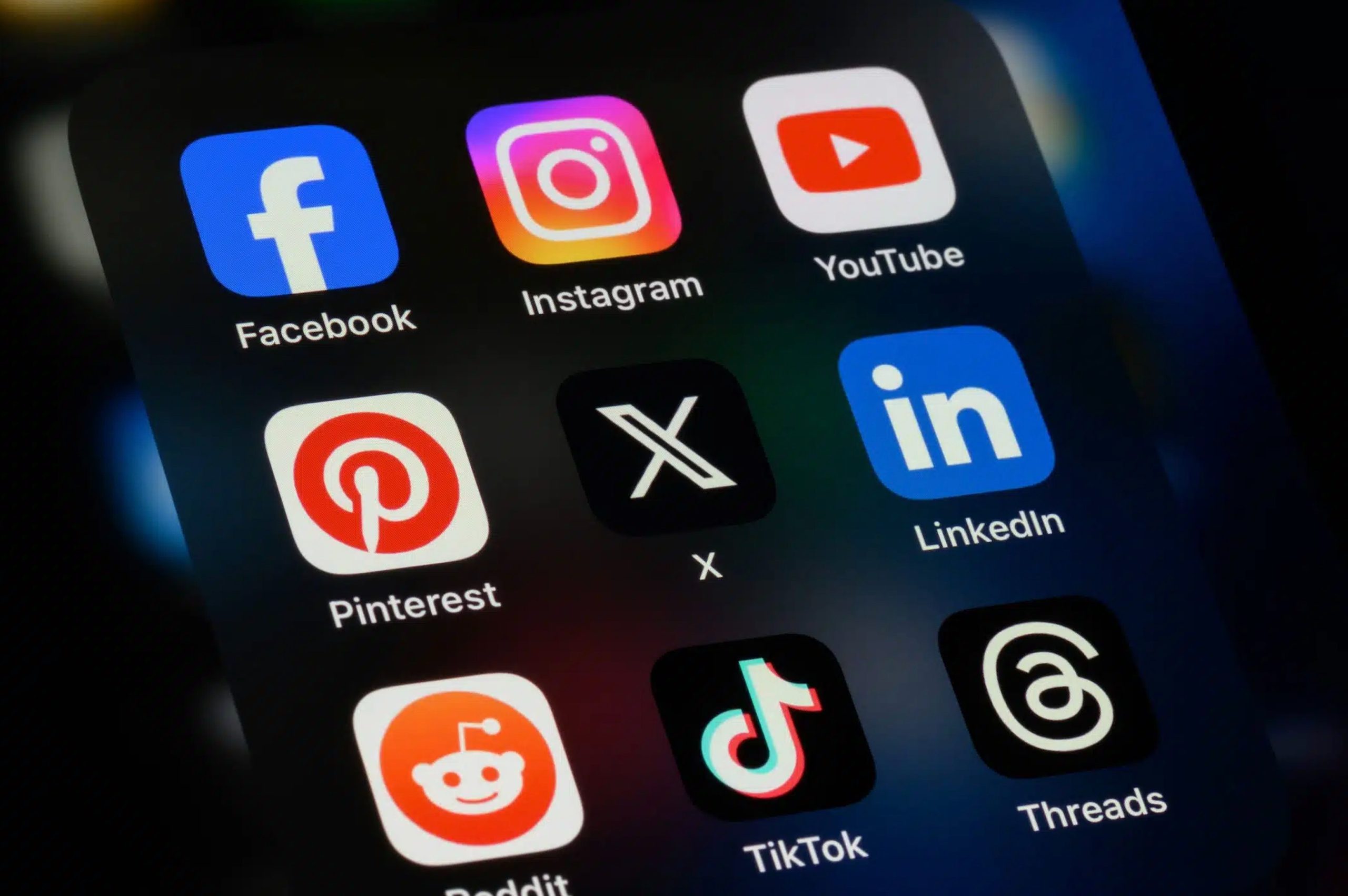
In the ever-evolving digital landscape, Social Media Marketing (SMM) has become a cornerstone for businesses aiming to enhance their online presence. With various platforms offering distinct features and audience demographics, it becomes imperative for marketers to understand how pricing varies across these platforms to make informed decisions. Comparing SMM pricing across different social media outlets involves several considerations that can significantly impact the effectiveness and efficiency of marketing strategies.
Firstly, understanding the unique characteristics of each platform is crucial. Facebook, Instagram, Twitter, LinkedIn, TikTok, and others cater to different user bases and content types. For instance, while Facebook offers extensive targeting options suitable for broad audiences with diverse interests, LinkedIn focuses on professional networking with a more niche audience. Consequently, advertising costs can differ substantially; LinkedIn often commands higher prices due to its professional demographic but may yield better results for B2B campaigns.
To effectively compare SMM pricing across platforms, one must consider both direct costs—such as cost-per-click (CPC), cost-per-thousand-impressions (CPM), or cost-per-engagement (CPE)—and indirect costs like creative development or management fees associated with running campaigns on these platforms. Direct costs are typically influenced by factors such as competition within your industry or targeted keywords/audiences. Therefore, conducting thorough research into average CPCs or CPMs specific to your sector is essential in establishing baseline expectations.
Moreover, analyzing historical data from past campaigns provides valuable insights into performance metrics like click-through rates (CTR) and conversion rates per platform. SMM World pricing This analysis helps identify which channels deliver optimal returns relative to their respective price points—information critical when allocating budget efficiently among multiple networks.
Another vital aspect involves assessing available tools offered by each platform that could affect overall campaign success without necessarily increasing expenditure directly related only towards advertisement placement itself: analytics dashboards providing real-time feedback about engagement levels alongside automated bidding systems designed specifically around maximizing ROI potentials based upon pre-defined objectives set forth initially during planning stages prior launching any given initiative(s).
Furthermore: evaluating qualitative elements intrinsic particular mediums themselves should not be overlooked either since certain formats inherently lend themselves better than others depending nature product/service being promoted e.g., visual-centric brands might find greater traction via Instagram Stories compared static posts seen elsewhere whereas short-form video content thrives predominantly TikTok’s algorithmic environment favoring virality potential over traditional methods utilized historically throughout previous decades gone before now present day contextually speaking course!
Finally yet importantly remember always remain flexible adaptive approach taken because what works today may change tomorrow rapidly shifting technological advancements constantly reshaping landscape anew thereby necessitating continuous monitoring adjustments accordingly ensure sustained competitive advantage remains intact amidst dynamic conditions prevailing marketplace currently experiencing worldwide scale unprecedented levels previously unimaginable mere few years ago let alone decades past!
