 admin
Uneven indoor temperatures can be a frustrating issue for homeowners, often leading to discomfort and increased energy bills. Understanding how HVAC contractors diagnose these temperature inconsistencies is crucial for addressing the problem effectively. HVAC professionals use a combination of inspection techniques, tools, and experience to pinpoint the root causes of uneven heating or cooling in a home.
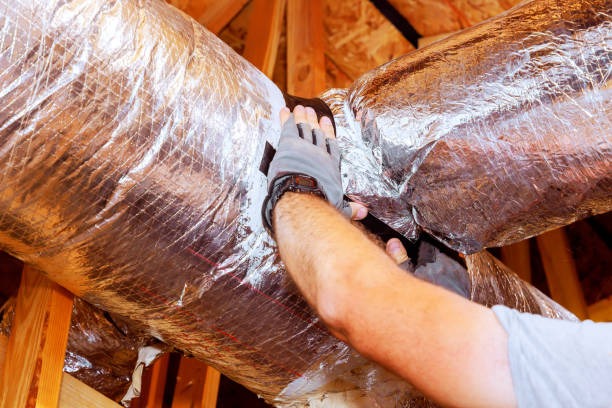
The first step HVAC contractors take is a thorough visual inspection of the HVAC system and the home. They check for obvious signs such as blocked vents, dirty air filters, or malfunctioning dampers that can restrict airflow. Blocked or closed vents in certain rooms can lead to temperature imbalances, as some areas receive more conditioned air than others. Additionally, they inspect the ductwork for leaks, disconnections, or poor insulation, which can cause air to escape before reaching intended rooms.
Next, contractors use specialized diagnostic tools to measure airflow and temperature at various points throughout the home. Tools like anemometers help measure the velocity of air coming out of vents, while infrared thermometers or thermal cameras detect temperature variations on walls and ceilings. These measurements allow contractors to identify rooms or zones where airflow is insufficient or where temperature differences are most pronounced.
Another key factor HVAC contractors evaluate is the system’s overall capacity and balance. An HVAC system that is too small for the size of the home will struggle to maintain consistent temperatures, open the site especially during extreme weather. Likewise, an oversized system may cycle on and off too frequently, causing uneven heating or cooling. Contractors assess whether the equipment is properly sized and calibrated to meet the home’s requirements.
Contractors also examine the thermostat placement and settings. Thermostats located in areas exposed to direct sunlight, drafts, or other heat sources can give inaccurate readings, leading to improper system operation. In some cases, upgrading to a zoned HVAC system with multiple thermostats can provide better control and more even temperatures throughout the home.
Furthermore, insulation and sealing play a significant role in maintaining even indoor temperatures. HVAC contractors inspect attic insulation, wall insulation, and weather stripping around doors and windows. Poor insulation or air leaks can cause hot or cold spots, making it difficult for the HVAC system to maintain a consistent temperature.
In conclusion, diagnosing uneven indoor temperatures involves a comprehensive approach that includes inspecting the HVAC system components, measuring airflow and temperatures, checking system size and balance, assessing thermostat placement, and evaluating insulation quality. By understanding these diagnostic steps, homeowners can better communicate with HVAC contractors and ensure effective solutions are implemented to achieve comfortable and balanced indoor environments.