
 admin
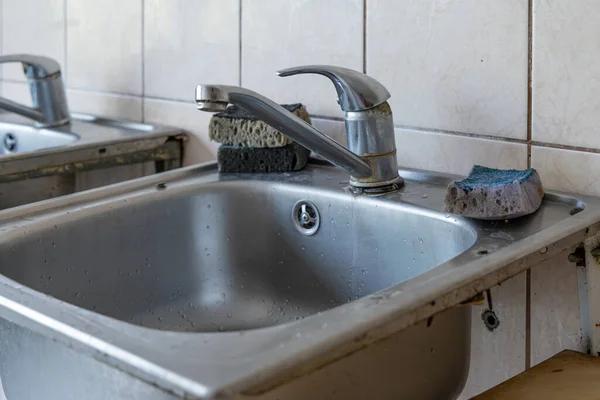
Choosing the right stainless utility sink involves considering several important factors to ensure it meets your specific needs and provides long-lasting functionality. Stainless steel sinks are popular for utility areas because of their durability, resistance to corrosion, and ease of maintenance. However, selecting the appropriate model requires attention to material quality, size, depth, installation type, and additional features that enhance usability.
Firstly, the grade of stainless steel is crucial. Most utility sinks are made from either 304 or 316 stainless steel. Grade 304 is widely used and offers excellent resistance to rust and stains, making it suitable for most household and light commercial uses. Grade 316 stainless steel contains molybdenum, which improves corrosion resistance, especially in environments exposed to saltwater or harsh chemicals. Understanding the grade helps you choose a sink that will withstand your specific working conditions.
The thickness of the stainless steel, often measured in gauge, impacts durability and noise level. A lower gauge number indicates thicker steel, which is sturdier and less prone to denting. For instance, a 16-gauge sink is thicker and more durable than an 18-gauge one. Thicker sinks also tend to reduce noise from water running or items being placed inside. Considering gauge is important if the sink will endure heavy use or impacts.
Size and depth are other vital aspects. The sink should fit comfortably within your designated space while allowing enough room for washing large items or handling substantial water volume. Deeper sinks prevent splashing and accommodate bigger objects, but they may require additional plumbing considerations. Measuring the available area carefully and evaluating what you typically wash in the sink will help determine the best dimensions.
Installation type varies as well, with options including drop-in, undermount, and wall-mounted sinks. Drop-in sinks are easier to install and replace but may collect dirt around the edges. Undermount sinks offer a seamless look and simplify countertop cleaning but require professional installation. Wall-mounted sinks save floor space and are ideal for utility rooms with limited counter space. Choosing the right installation depends on your workspace layout and personal preferences.
Additional features like built-in drainboards, faucet compatibility, and soundproofing pads contribute to convenience and comfort. Some sinks come with integrated drainboards for drying or staging items, which is practical for multitasking. Ensuring the sink’s faucet holes align with your existing or planned fixtures avoids compatibility issues. Soundproofing pads or undercoating reduce noise, enhancing your working environment.
In summary, selecting the right Stainless utility sink entails evaluating the stainless steel grade and gauge, sizing to fit your space and tasks, deciding on an installation style that suits your area, and considering useful features that improve functionality. Thoughtful consideration of these factors will ensure your sink performs well, lasts long, and meets your specific needs effectively.


