
 admin
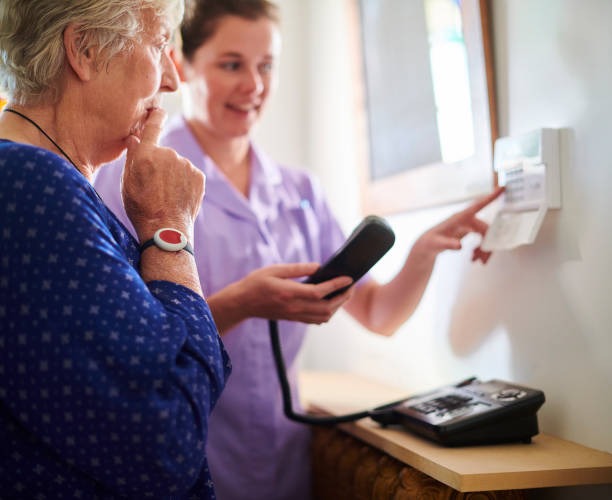
Nurse call systems are essential components in healthcare facilities, designed to enhance communication between patients and nursing staff. These systems allow patients to alert nurses or caregivers quickly in case of emergencies, assistance requests, or routine needs, thereby improving response times and overall patient care quality. Understanding the practical aspects of nurse call systems helps healthcare administrators and professionals make informed decisions about their implementation and maintenance.
At their core, nurse call systems consist of a network of devices, including call buttons, communication panels, and monitoring stations. Patients typically activate these systems through a bedside call button or pull cord, which sends an alert to a nurse’s station or a portable device carried by the nursing staff. Modern systems often support two-way communication, enabling nurses to speak directly with patients and assess the situation before responding physically. This feature not only enhances efficiency but also reduces unnecessary room visits, which is especially valuable in busy hospital environments.
Technological advancements have transformed traditional nurse call systems into sophisticated solutions integrated with hospital information systems. Wireless nurse call systems are increasingly popular due to their flexibility and ease of installation, especially in retrofit projects where rewiring might be impractical. These wireless setups use radio frequency or Wi-Fi to transmit alerts, providing real-time notifications on smartphones or dedicated nurse call devices. Additionally, integration with mobile devices and smart applications allows nurses to prioritize calls based on urgency, improving workflow management.
Safety and compliance are critical considerations when selecting a nurse call system. Healthcare facilities must ensure that their systems comply with local regulations and standards to guarantee reliability and patient safety. Features such as fail-safe operation, backup power, and system monitoring help maintain continuous service during power outages or technical issues. Moreover, the system’s design should support accessibility for patients with disabilities, including visual or hearing impairments.
Effective nurse call systems also contribute to better patient satisfaction. When patients feel confident that their needs will be promptly addressed, their overall hospital experience improves. This can positively impact hospital ratings and reputation. For nursing staff, streamlined communication reduces stress and workload by enabling better task prioritization and coordination among team members.
In summary, nurse call systems are indispensable tools in modern healthcare settings. Their practical benefits include faster response times, improved communication, enhanced patient safety, and increased satisfaction for both patients and staff. As healthcare environments continue to evolve, so will nurse call technology, integrating more smart features and connectivity options to meet the growing demands of patient care.